Showing posts with label Cars. Show all posts

Wednesday, January 5, 2011

Cars - 2011 cars pictures

2011 best cars pictures, wallpapers 


A car (from the Greek auto, for itself, and Latin mobilis, mobility) (reference is to an object responsible for its own locomotion) is a motor vehicle with four wheels, usually designed to transport passengers or goods, being a the most popular means of transport in the world.
The definition covers all the car self-propelled vehicles powered by internal combustion, which can be generated by alcohol, petrol, gas, diesel, hydrogen (still testing) or any biodiesel blend of fuel, oxidizer and heat source causing the combustion internal, or hybrid, or ground vehicles that move about by means of electric motors, or steam for the purpose of transporting passengers and cargo. The  today car has typically an internal combustion engine, two-or four-stroke, gasoline powered, diesel or alcohol.


Concept Cars - Saab Aero X
Cars, 2011 cars pictures, cars walpaper
Sport cars - Lotus Elise R 2007
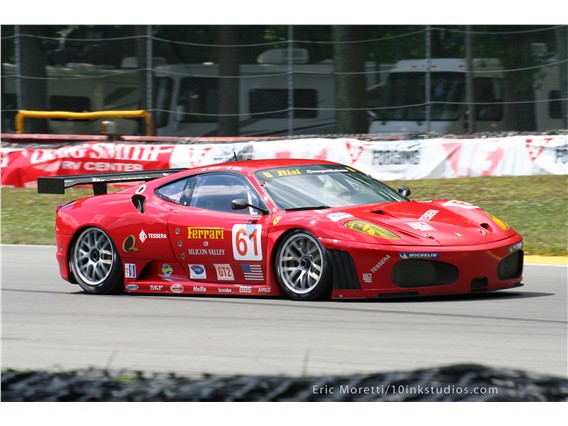
car pictures of cars, ferrari 430 race cars
Ferrari 430 Race cars at Mid Ohio
Cars, 2011 cars pictures, cars walpaper,  old classic cars pictures
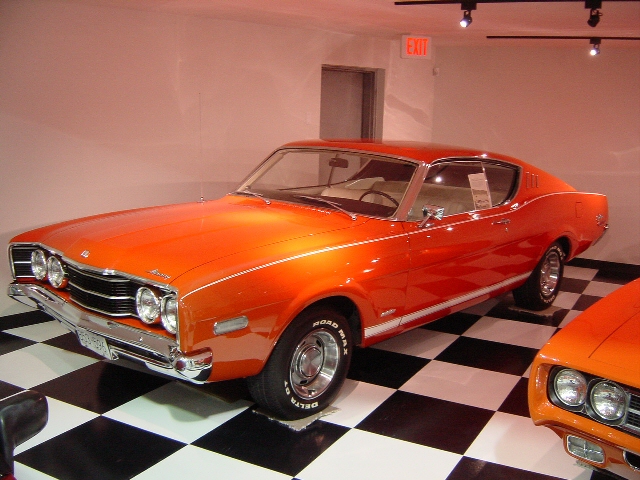
Classic cars pictures - Mercury cyclone.
car pictures of cars
Cars
car pictures of cars
Disney  cars - Lightning McQueen
Cars, 2011 cars pictures, cars walpaper,  concept car 2011 wallpaper
Concept cars wallpapers 
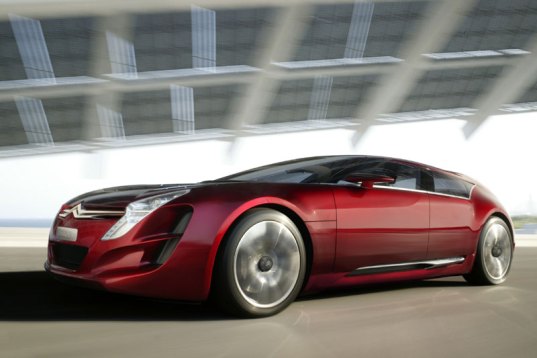
car pictures of cars, itroen C Metisse Concept car 2006
Concept cars - Citroen C Metisse
Cars, 2011 cars pictures, cars walpaper,ferrari cars photos
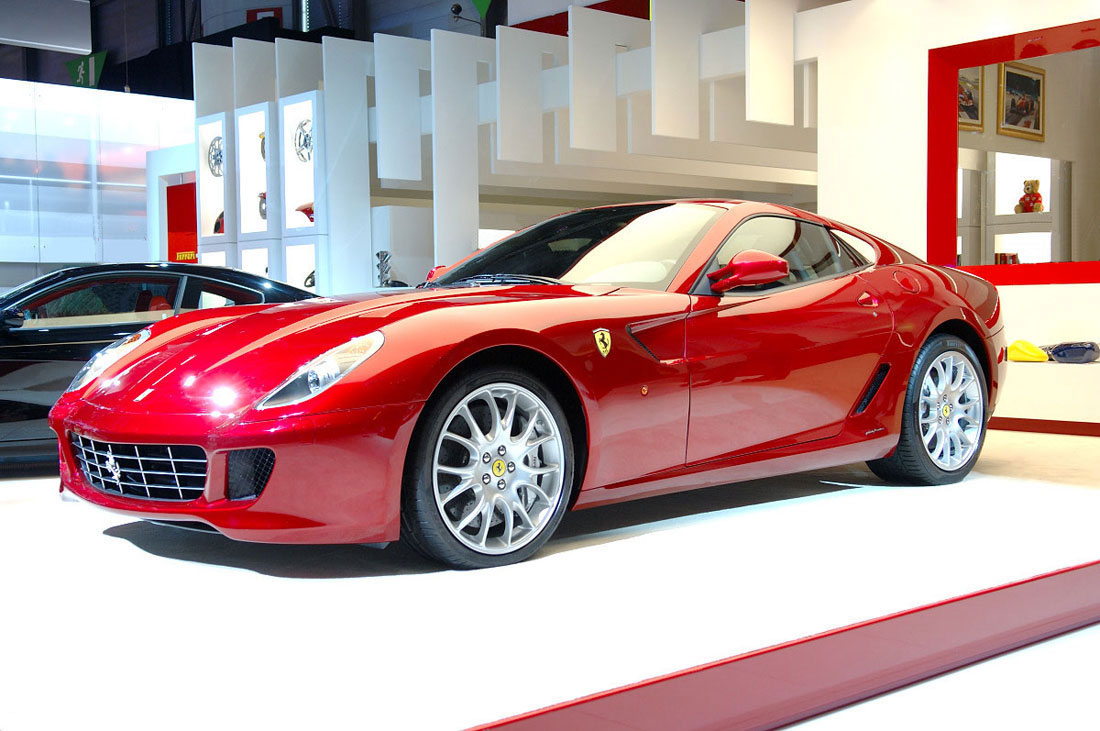
Ferrari cars 
 car pictures of cars
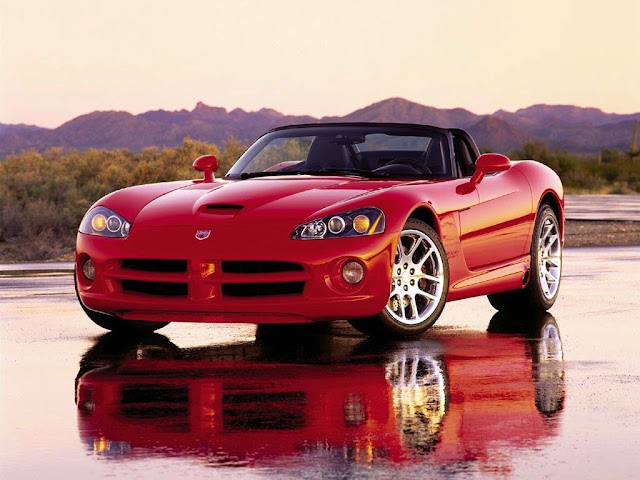
American sports cars - Dodge Viper
car pictures of cars
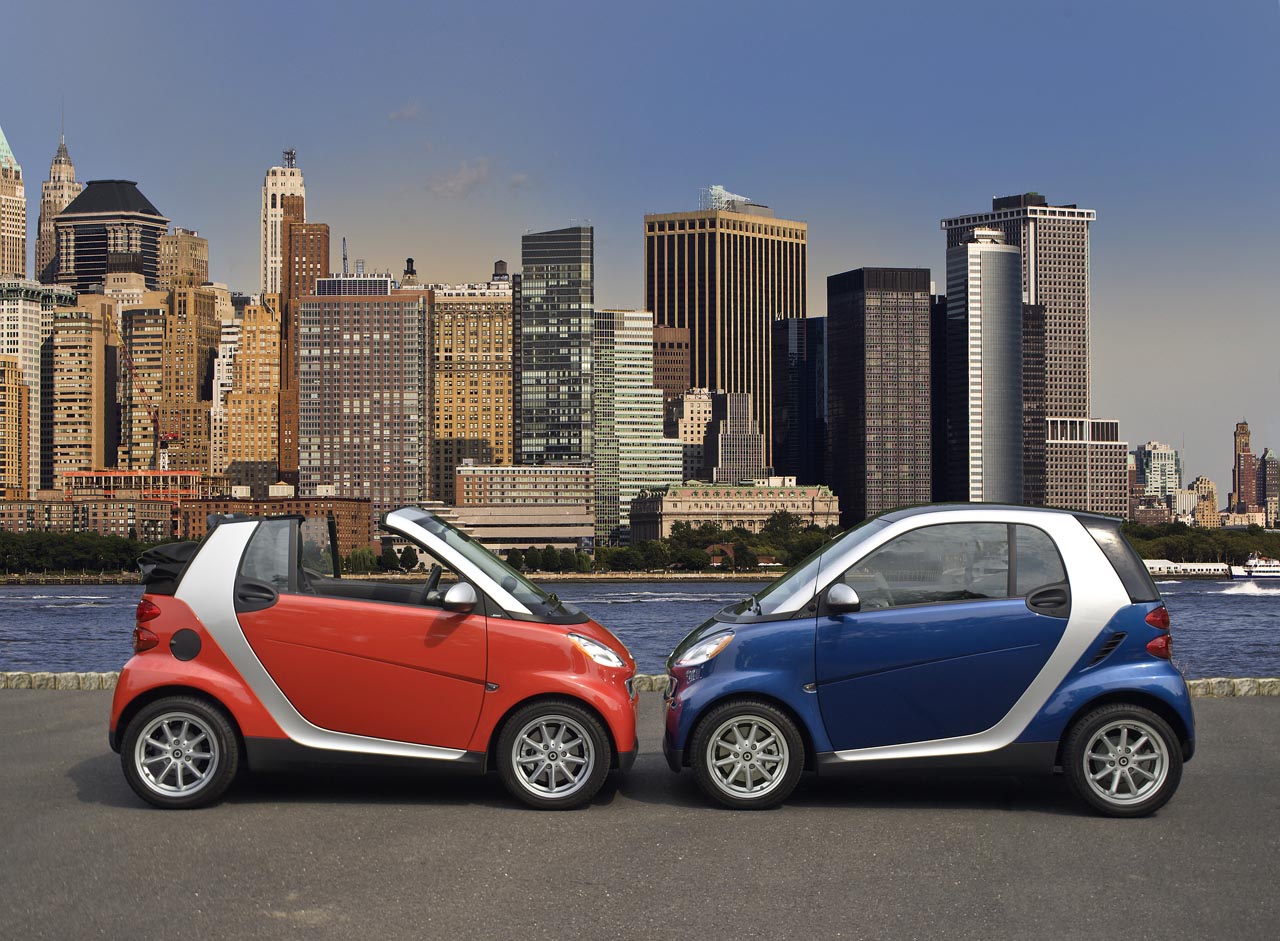
Smart cars  
Cars, 2011 cars pictures, cars walpaper, concept cars
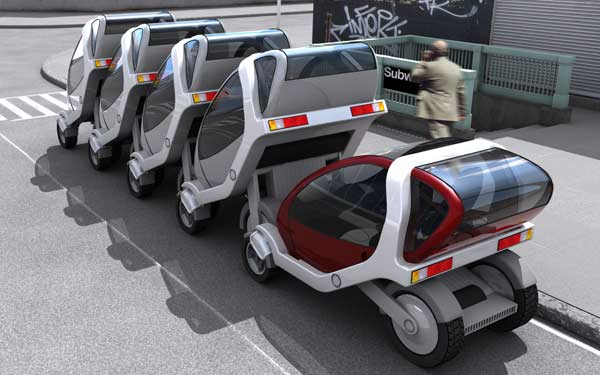
Concept cars 
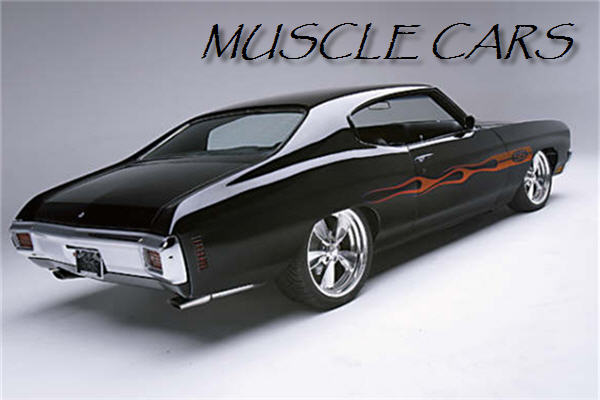
car pictures of cars, American muscle car wallpaper
American muscle cars 
car pictures of cars
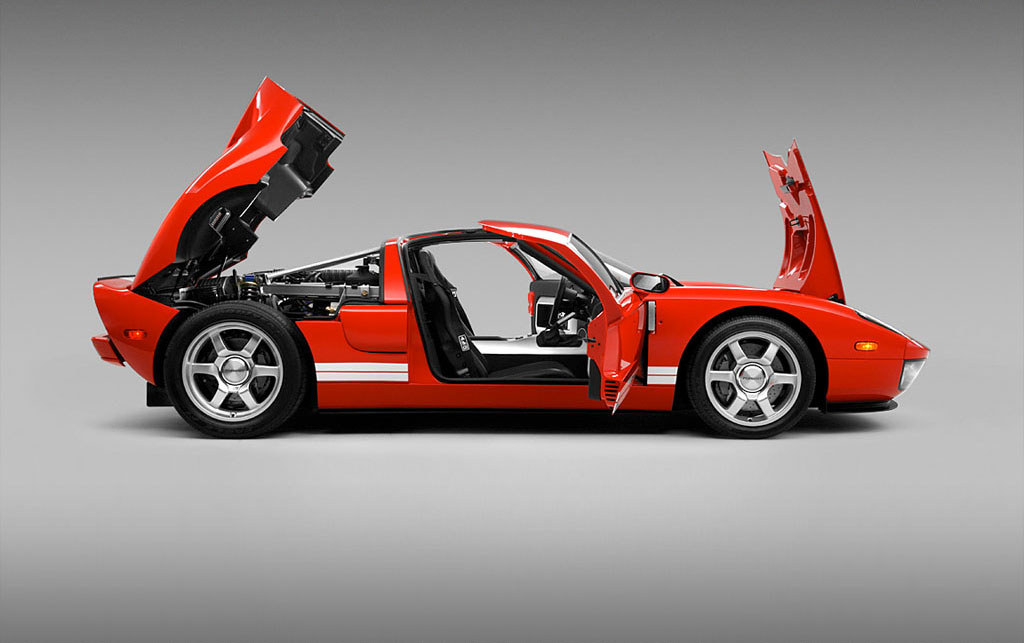
Cars wallpaper - Ford Gt
Ferrari street car wallpaper - Ferrari F430 
American muscle cars 
American classic cars 
Formula 1 cars Ferrari F 
Amazing cars wallpapers - Audi concept car
Cool cars - McLaren F1
Eelectric cars - Mitsubishi I miev
Audi  A8 sport cars 
Bmw Z4 cabriolet -  cars wallpapers
Audi cars  pictures - Audi R8
Sports Cars  - Peugeot 9009
Classic cars
Exotic cars - Lamborghini Diablo 
Tesla Roadster- Electric sport car
American muscle  cars
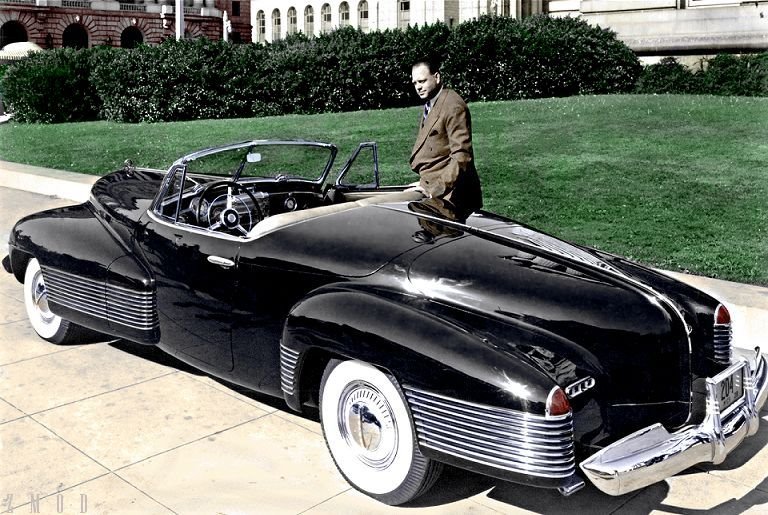
 Amazing classic cars - 1938 Buick Y Job Concept car
Mercedes-Benz cars wallpaper
Japanese cars - Honda FC Sport Design
Austin Mini cars wallpaper
Sport cars Hdr hq wallpapers - Burning car

Thursday, September 2, 2010

2010 VolksWagen Cars Beetle Bio-Bug Powered by Sewage Waste

Mohammed Saddiq, general manager of GENeco, has another idea, which would take something that's normally thought of as waste, and turn it into a way to power a vehicle. The prototype  2010 VolksWagen Cars Beetle Bio-Bug is powered by methane gas which is produced from human waste at sewage works. Another environmentally friendly car has been shown to the world today by Wessex Water in England.
2010 VolksWagen Cars Beetle Bio-Bug Powered by Sewage Waste. The Bio-Bug is a project from Wessex Water, a sewage treatment company in England. Now there’s Bio-Bug, a VW Beetle that runs on the methane gas generated at a sewage treatment plant, reports The Telegraph. Wessex Water, near Bristol, England, says that human waste from the toilets of 70 homes can power the Bio-Bug for a year.
GENeco believes that more gas will be produced at its Avonmouth site when the company embarks on its latest green venture to recycle food waste. Mr Saddiq said: “Waste flushed down the toilets in homes in the city provides power for the Bio-Bug, but it won’t be long before further energy is produced when food waste is recycled at our sewage works.
At first glance, the Beetle appears to be a publicity stunt for GENeco, which owns a number of waste treatment sites in the U.K. But consider this: A single sewage treatment plant in Bristol, England generates 18 million cubic meters of biogas each year. The Bio-Bug squeezes out 5.3 miles per cubic meter of biogas. So just one sewage treatment plant could keep cars running for 5,400,000 miles each year, according to the British Daily Mail.
The Volkswagen Beetle dubbed the “Bio-Bug” was built for GENeco by UK’s The Greenfuel Company. The Bio-Bug’s 2.0-liter four-cylinder engine was converted to run on biogas and still hit about 114 miles per hour. However, the Bio-Bug uses regular unleaded gas to start, then switches over to methane automatically once it’s running. GENeco, a company owned by Wessex Water, supplied the equipment to treat the gas. “If you were to drive the car you wouldn’t know it was powered by biogas, as it performs just like any conventional car,” said Mohammed Saddiq, general manager of GENeco, in the release.
Mr. Saddiq explained that GENeco had been supplying treated compressed methane gas to generate electricity for the plant site and exported to the National Grid. The fuel for the Bio-Bug was surplus gas “we had available” and “we wanted to put it to good use in a sustainable and efficient way.”
The Bio-Bug was built by the Greenfuel Company, which specializes in converting gas cars to run on liquified petroleum gas.
2010 VolksWagen Cars Beetle Bio-Bug Powered by Sewage Waste
“The choice of car was inspired by students who took part in a workshop. They thought it would be appropriate that the poo-powered car should be the classic VW Beetle Bug because bugs naturally breakdown waste at sewage works to start the treatment process which goes on to produce the energy.”
Brilliant! Now, that’s a great marketing hook.

Tuesday, August 3, 2010

2010 Porsche Sports Cars 911 GT3 R Hybrid

Known as the 2010 Porsche 911 GT3 R Hybrid, the model hints at new hybrid technology that Porsche Sports Cars will use in its motorsport ventures. According to Porsche, the 911 GT3 R Hybrid will be used as a study to gather information about how hybrid drive will behave under a racing environment and will also help the German automaker study how it can be applied to its road cars.
2010 Porsche 911 GT3 R Hybrid
During Porsche's press conference here at the Geneva Motor Show, most of our attention was understandably on the 918 Spyder Concept, but the German automaker had several other significant debuts. One was the 911 GT3 R Hybrid, Porsche's first race car to feature electric power sourced from a duo of motors that send power to a generator attached the flywheel. Like many hybrid production cars, the motors are charged whenever the brakes are applied, and the driver can use the extra power for 6-8 seconds for overtaking.
Exactly 110 years after Ferdinand Porsche developed the world's first car with hybrid drive, the Lohner Porsche Semper Vivus, Dr. Ing. h.c. F. Porsche AG, Stuttgart, is once again taking up this visionary drive concept in production-based GT racing: During the Geneva Motor Show, a Porsche Sports Cars 911 GT3 R with innovative hybrid drive is making its debut, opening up a new chapter in the history of Porsche with more than 20,000 wins in 45 years scored by the extremely successful Porsche 911 in racing trim.
Unlike a conventional battery-electric hybrid system the Porsche 911 GT3 R uses a flywheel system, which gathers kinetic energy under braking to power two electric-motors that are mounted in a single assembly and are connected to the front wheel. After each boost of charge, the two motors provide 6 to 8 second jolts of power. The extra power is engaged by pressing a button on the steering wheel, providing up to 161-hp to the front wheels, assisting the 911 GT3 R Hybrid’s 480-hp 4.0L inline-6 that powers the two rear-wheels.
The innovative hybrid technology featured in the car has been developed especially for racing, standing out significantly in its configuration and components from conventional hybrid systems. In this case, electrical front axle drive with two electric motors developing 60 kW each supplements the 480-bhp four-litre flat-six at the rear of the 911 GT3 R Hybrid. A further significant point is that instead of the usual batteries in a hybrid road car, an electrical flywheel power generator fitted in the interior next to the driver delivers energy to the electric motors.
The flywheel generator itself is an electric motor with its rotor spinning at speeds of up to 40,000 rpm, storing energy mechanically as rotation energy. The flywheel generator is charged whenever the driver applies the brakes, with the two electric motors reversing their function on the front axle and acting themselves as generators. Then, whenever necessary, that is when accelerating out of a bend or when overtaking, the driver is able to call up extra energy from the charged flywheel generator, the flywheel being slowed down electromagnetically in the generator mode and thus supplying up to 120 kW to the two electric motors at the front from its kinetic energy.
This additional power is available to the driver after each charge process for approximately 6 - 8 seconds. Energy formerly converted - and thus wasted - into heat upon every application of the brakes, is now highly efficiently converted into additional drive power.
Depending on racing conditions, hybrid drive is used in this case not only for extra power, but also to save fuel. This again increases the efficiency and, accordingly, the performance of the 911 GT3 R Hybrid, for example by reducing the weight of the tank or making pitstops less frequent.
After its debut in Geneva the 911 GT3 R Hybrid will be tested in long-distance races on the Nürburgring. The highlight of this test programme will be the 24 Hours on the Nordschleife of Nürburgring on May 15th and 16th. The focus is not on the 911 GT3 R Hybrid winning the race, but rather serving as a spearhead in technology and a 'racing laboratory' providing know-how on the subsequent use of hybrid technology in road-going sports cars.
The 911 GT3 R Hybrid is a perfect example of the Porsche Intelligent Performance philosophy, a principle to be found in every Porsche: More power on less fuel, more efficiency and lower CO2 emissions - on the track and on the road.

Monday, August 2, 2010

2010 New Porsche Sports Cars 911 GT3 at The Geneva

Stuttgart. Dr. Ing. h.c. F. Porsche AG, Stuttgart, is adding yet another new model to the second generation of the 911 model series: the new GT3 even more powerful, faster, and refined than its predecessor. In developing the most sporting and dynamic road-going 911 with a normal-aspiration power unit, Porsche has applied a wide range of know-how gained in motorsport. Indeed, this is precisely why the 2010 new Porsche 911 GT3 is truly impressive not only on the road, but also on the race track.
2010 Porsche Sports Cars 911 GT3
The 2010 new Porsche 911 GT3 is the latest evolution of an iconic sports car. Embodying the essence of more than 23,000 Porsche racing victories, the 911 GT3 is the ultimate integration of driver and car and arrives in the UK this autumn. The new 911 GT3 is making its world debut at the Geneva Motor Show on 3 March, with Europe-wide sales starting in May.
The Porsche 911 GT3 offers an even higher standard above all in two key areas: performance and driving dynamics. The proven six-cylinder naturally aspirated power unit now develops a maximum output of 435 hp (320 kW), up 20 hp over its predecessor. This results first and foremost from an increase in engine capacity by 200 cc to 3.8-litres and from improved cylinder head gas flow: now not only the intake, but for the first time also the exhaust camshafts, are adjusted by VarioCam.
A further important point is that, through its upgraded power and performance, the flat six 'boxer' engine also offers a significant increase in torque at medium engine speeds, a benefit of particular significance in everyday motoring. Clearly, this also means a further improvement in performance; the new Porsche 911 GT3 accelerates from a standstill to 62 mph (100 km/h) in 4.1 seconds and reaches 99 mph (160 km/h) in 8.2 seconds. Top speed is 194 mph.
The second emphasis in developing the Porsche 911 GT3 to an even higher standard was to further improve the car's driving dynamics. For the first time, the Porsche 911 GT3 comes with a particularly sporting variant of Porsche Stability Management (PSM), offering the facility to deactivate both Stability Control (SC) and Traction Control (TC) in separate steps. And to give the driver unrestricted, individual control over the driving dynamics of his car, these functions are not reactivated automatically even under the most extreme driving conditions, but only at the touch of a button.
The Porsche Active Suspension Management (PASM) fitted to the 911 GT3 has enabled Porsche engineers to make the springs and anti-roll bars stiffer yet again, thus ensuring even more precise handling in the PASM 'sports' mode. However, the PASM ensures appropriate ride comfort suitable for everyday use when in the 'normal' PASM mode. The Porsche 911 GT3 rides on new, lighter wheels in a racing-inspired design - with a centre locking nut - fitted with ultra-high performance (UHP) tyres. Tyre pressure monitoring is fitted as standard.
Making the car even more suitable for the race track, the new Porsche 911 GT3 will be available with the option of new and highly innovative Porsche Active Drivetrain Mount (PADM) engine mountings. These special engine mounts recognise a particularly sporting, race-like style of driving, making the normally 'elastic' engine mounts harder and particularly resistant. This retains all the motoring comfort of the GT3 in everyday traffic, while on the race track the effect of the mass forces coming from the engine is much reduced, particularly in fast bends and on winding tracks. Yet a further advantage is improved traction when accelerating from a standstill.
Another new feature is the optional lift system for the front axle which is able to increase the ground clearance of the car, at the touch of a button, for driving on bumpy surfaces or steep gradients - for example into an underground garage - by 30 millimetres (approx 1.2 inches).
The Euro base price of the new GT3 is Euro 98,100, in Germany the retail price including value-added tax and specific national features is Euro 116,947. In the USA the GT3 will be at the dealership in October at a price of USD 112,200 (MSRP without taxes).